Optimising Mining with Heavy-Duty Belt Solutions
Mining operations demand efficiency, reliability, and durability. Conveyor belts play a critical role in transporting materials across mining sites. Choosing the right belt solutions can significantly impact productivity and operational costs. I focus on how heavy-duty belt solutions improve mining processes and why they are essential for the African mining sector.
Understanding Heavy-Duty Belt Solutions in Mining
Heavy-duty belt solutions are designed to withstand harsh mining environments. These belts handle large volumes of abrasive materials, extreme temperatures, and heavy loads. Their construction includes robust materials that resist wear and tear, reducing downtime and maintenance costs.
For example, a mining company transporting iron ore needs belts that resist abrasion and impact. Heavy-duty belts with reinforced cores and strong covers ensure continuous operation without frequent replacements. This reliability supports steady production and lowers operational risks.
Using these belts also improves safety. Durable belts reduce the chance of belt failure, which can cause accidents or material spillage. This reliability is crucial in remote mining locations where quick repairs are challenging.
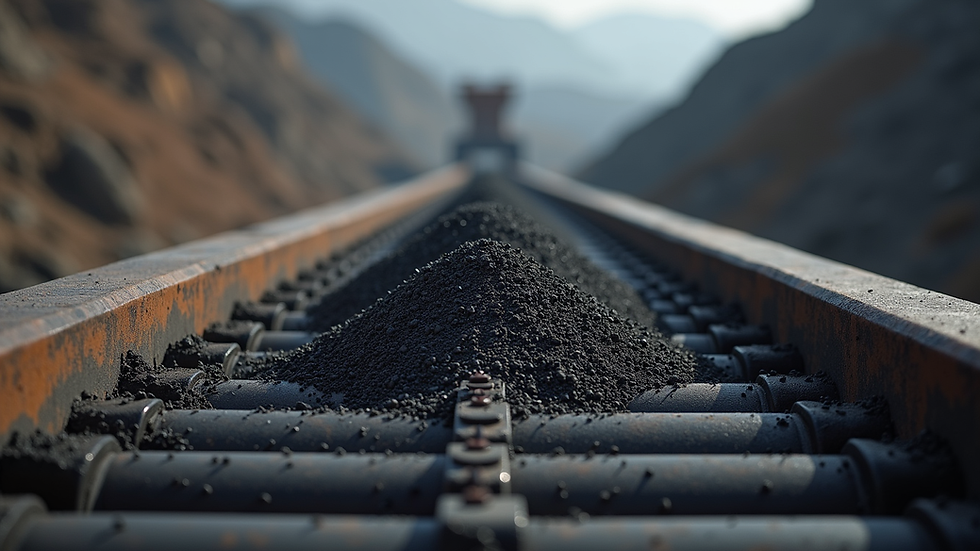
Benefits of Heavy-Duty Belt Solutions for Mining Operations
Heavy-duty belt solutions offer several advantages that directly affect mining efficiency:
Increased Load Capacity: These belts carry heavier loads, reducing the number of trips needed to move materials.
Enhanced Durability: Resistant to cuts, tears, and abrasion, they last longer under tough conditions.
Reduced Maintenance: Less frequent repairs and replacements save time and money.
Improved Energy Efficiency: Smooth operation lowers power consumption.
Better Safety: Stronger belts minimize the risk of accidents caused by belt failure.
For instance, a copper mine in Zambia reported a 20% increase in throughput after switching to heavy-duty belts. The belts handled larger loads and required fewer stoppages for maintenance.
Selecting the Right Heavy-Duty Belt Solutions
Choosing the correct belt depends on several factors:
Material Type: Different ores and minerals require belts with specific resistance properties.
Load Weight: Heavier loads need belts with higher tensile strength.
Environmental Conditions: Temperature, moisture, and chemical exposure affect belt choice.
Belt Width and Speed: These must match the conveyor system design.
Core Construction: The core must support the load and resist elongation.
I recommend consulting with suppliers who understand mining demands and can provide customised solutions. For example, heavy duty belt core solutions offer tailored options that match specific mining needs.
Implementing Heavy-Duty Belt Solutions Effectively
Proper installation and maintenance are key to maximising belt performance. Follow these steps:
Regular Inspections: Check for wear, misalignment, and damage.
Correct Tensioning: Avoid over-tightening or slack belts.
Clean Conveyor Systems: Remove debris that can damage belts.
Use Suitable Accessories: Rollers, pulleys, and cleaners must match belt specifications.
Train Staff: Ensure operators understand belt handling and maintenance.
A mining operation in South Africa improved belt lifespan by 30% after implementing a strict maintenance schedule and staff training.

Future Trends in Mining Belt Technology
Mining technology evolves rapidly. Innovations in belt materials and design continue to improve performance:
Smart Belts: Embedded sensors monitor belt condition in real-time.
Eco-Friendly Materials: Sustainable belts reduce environmental impact.
Improved Core Designs: New core materials offer higher strength and flexibility.
Automation Integration: Belts integrated with automated systems enhance efficiency.
Adopting these technologies will help mining companies stay competitive and meet increasing production demands.
Driving Mining Efficiency with Core Belt Solutions
Heavy-duty belt solutions are essential for optimising mining operations. They provide durability, safety, and cost savings. By selecting the right belts and maintaining them properly, mining companies can increase productivity and reduce downtime.
I encourage mining businesses to explore heavy duty belt core solutions that fit their specific needs. Investing in quality belt systems supports long-term success and growth in the African mining sector.


Comments